
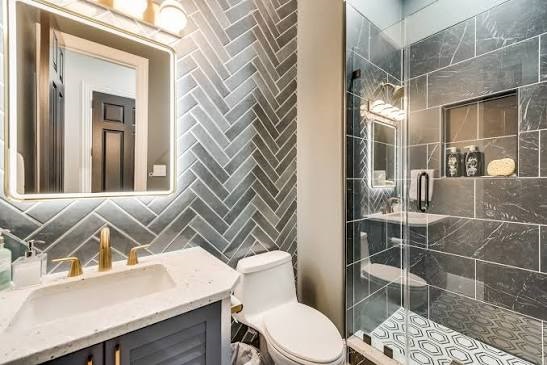
Tile can change the way a home looks, feels, and performs, but only when the right material is installed the right way. For homeowners planning Tile Installation in San Diego, the best results come from matching the tile to the room, preparing the surface correctly, choosing the right grout and layout, and hiring a professional when moisture, heavy traffic, or detailed cuts are involved.
A good tile project is not just about picking a pretty color. It is about durability, waterproofing, slip resistance, long-term maintenance, and how the finished surface fits your daily life. This guide explains what homeowners should know before starting a tile project in 2026, including trends, costs, timelines, common mistakes, and professional recommendations.
What Does Tile Installation in San Diego Include?
A complete tile installation includes surface preparation, layout planning, tile setting, cutting, spacing, grouting, sealing when needed, and final cleanup. In wet areas, it also includes careful waterproofing and proper substrate preparation before any tile is placed.
Tile can be installed in kitchens, bathrooms, showers, entryways, laundry rooms, fireplaces, backsplashes, patios, and high-traffic living areas. Each space has different demands. A shower needs water management. A kitchen floor needs durability. A backsplash needs clean alignment and detailed cuts around outlets. A patio may need material that handles sun exposure and temperature changes.
Professional installers look at several conditions before work begins:
- Is the floor or wall flat enough for tile?
- Is the surface clean, stable, and properly prepared?
- Will the tile be exposed to water?
- Does the area need waterproofing or crack isolation?
- What grout joint size fits the tile?
- Are movement joints needed?
- Will the layout create awkward cuts at walls or corners?
- Is the tile suitable for the room?
The Tile Council of North America explains that tile installation methods depend on a properly designed, constructed, and prepared substructure that follows recognized material and construction standards. That is why surface preparation matters as much as the tile itself.
For homeowners, this means a successful tile project starts before the first tile is set. The behind-the-scenes work determines how flat, strong, waterproof, and long-lasting the finished surface will be.
Why Tile Remains A Smart Choice For San Diego Homes
Tile remains popular because it is durable, easy to clean, design-flexible, and well suited to kitchens, bathrooms, laundry rooms, and entry areas. In San Diego, it also works well for homes that need surfaces that can handle coastal moisture, sand, pets, guests, and everyday foot traffic.
San Diego homes often blend indoor and outdoor living. Tile can support that lifestyle because it works in many rooms and pairs well with natural light, stone countertops, warm wood cabinets, and open layouts.
Tile is often chosen for:
- Moisture resistance in bathrooms and laundry rooms
- Easy cleanup in kitchens and entries
- Long-term durability in busy households
- Better design continuity between rooms
- Heat resistance near fireplaces and cooking areas
- A wide range of colors, sizes, textures, and finishes
A homeowner in Pacific Beach may want a bathroom floor that handles humidity and sandy feet. A family in Clairemont may need durable flooring near the kitchen and back door. A homeowner in North Park may want a vintage-inspired bathroom tile pattern that respects the character of an older home.
Tile can fit each of these needs, but only when the tile type, finish, and installation method match the space.
2025 And 2026 Tile Trends Homeowners Should Know
The strongest 2025 and 2026 tile trends focus on warmth, texture, larger formats, lower maintenance, and natural-looking materials. Homeowners are moving away from cold, overly shiny designs and choosing tile that feels more comfortable, grounded, and practical.
Design trend coverage for 2026 points to large-format porcelain, stone-look surfaces, handmade textures, natural colors, and low-maintenance finishes as leading directions for kitchens and bathrooms.
Large-Format Tile For Cleaner Lines
Large-format tile continues to grow because it creates fewer grout lines and a more open look. It works well for bathroom walls, shower surrounds, floors, and some kitchen areas.
Benefits include:
- Fewer grout joints
- Easier visual flow
- A cleaner modern appearance
- Less visual clutter
- Strong fit for small bathrooms when planned well
Large-format tile does require skill. Walls and floors must be flat, and installers need the right tools for leveling, cutting, and handling larger pieces.
Stone-Look Porcelain
Porcelain tile that looks like marble, limestone, travertine, slate, or terrazzo is popular because it gives homeowners the look of natural stone with easier care. It is especially useful in bathrooms, kitchens, and high-use floors.
Natural stone can be beautiful, but it may need sealing and more careful maintenance. Porcelain is often more practical for homeowners who want style without high upkeep.
Warm Neutrals And Earth-Inspired Colors
Warm white, cream, sand, clay, taupe, greige, soft brown, and muted green are replacing colder gray-heavy palettes. These colors work well in San Diego homes because they pair naturally with sunlight, wood tones, stone counters, and coastal or desert-inspired interiors.
Handmade And Zellige-Inspired Tile
Handmade-look tile adds movement and texture. Slight color variation and imperfect edges can make a backsplash or shower wall feel more personal. The key is restraint. A textured tile can become a beautiful feature wall, but too much variation across a large area may feel busy.
Matte And Satin Finishes
Glossy tile still has a place, especially on backsplashes and accent walls, but matte and satin finishes are gaining attention for their softer look. They can also reduce glare in bright rooms.
Spa-Inspired Bathrooms
Houzz’s 2025 bathroom trend coverage highlighted features such as walk-in showers, accessible thresholds, custom storage, and spa-like details that improve comfort and visual appeal. Tile plays a major role in this look through shower walls, floors, niches, benches, and accent areas.
How Do You Choose The Right Tile For Each Room?
The right tile depends on where it will be installed, how much moisture it will face, how much traffic it will receive, and how much maintenance the homeowner wants. A tile that works beautifully on a kitchen backsplash may not be safe or practical for a shower floor.
Kitchen Floors
Kitchen floors need durability, stain resistance, and easy cleaning. Porcelain tile is often a strong option because it is dense, hard-wearing, and available in many styles.
Look for:
- Durable porcelain
- Slip-resistant finish
- Medium-tone colors that hide dust
- Grout color that is easy to maintain
- Layout that works with cabinets and islands
Bathroom Floors
Bathroom floors need slip resistance and moisture control. Smaller tiles or textured tiles are often used in wet zones because they provide more grout lines and traction.
Good choices include:
- Matte porcelain
- Mosaic shower floor tile
- Textured stone-look tile
- Neutral tones for long-term appeal
- Proper waterproofing under wet areas
Shower Walls
Shower walls need waterproof preparation behind the tile. Large-format tile can reduce grout lines, while smaller tile can add detail to niches or accent walls.
For showers, focus on:
- Waterproofing system
- Proper slope and drainage
- Grout and sealant selection
- Easy-clean finishes
- Correct tile thickness and trim details
Kitchen Backsplashes
Backsplashes are a good place to add personality. They are visible but less exposed to foot traffic. Still, the material should be easy to clean behind cooking and prep areas.
Popular backsplash options include:
- Ceramic subway tile
- Handmade-look tile
- Porcelain slabs
- Stone-look tile
- Vertical stacked tile
- Soft neutral patterns
Feature Walls And Fireplaces
Feature walls need clean layout and strong alignment. For Wall Tiles Installation, professional planning helps avoid uneven cuts, poor spacing, and crooked focal points.
Feature walls can use texture, stone looks, vertical tile, or bold patterns, but the surrounding room should be considered so the design does not compete with other finishes.
What Does Tile Installation in San Diego Cost In 2026?
Tile installation cost depends on tile type, room size, surface condition, layout complexity, demolition, waterproofing needs, labor, and finishing details. Simple floor tile installation is usually less complex than a custom shower, detailed mosaic, large-format wall tile, or outdoor tile project.
Homeowners should think about cost in two parts: materials and installation. A low-cost tile can still become expensive if the layout requires many cuts, repairs, leveling, or waterproofing. A higher-quality tile may be worth it if it reduces maintenance or improves long-term performance.
Common cost factors include:
| Cost Factor | Why It Matters |
|---|---|
| Tile Material | Ceramic, porcelain, stone, mosaic, and specialty tile vary in price |
| Area Size | Larger spaces require more materials, labor, and prep |
| Surface Prep | Uneven floors or damaged walls need correction before installation |
| Waterproofing | Showers and wet areas require additional steps |
| Tile Size | Large-format tile often needs more skill and leveling work |
| Pattern Complexity | Herringbone, diagonal, and mosaic layouts take more labor |
| Demolition | Removing old tile, mortar, or flooring adds time |
| Trim And Edges | Niches, corners, curbs, and transitions require detail work |
A homeowner searching for Tile Installation near me should be cautious about comparing estimates based only on price. One estimate may include waterproofing, leveling, demolition, and quality setting materials, while another may not. The scope matters.
For budget planning, ask what is included:
- Removal of existing material
- Disposal
- Surface preparation
- Waterproofing where needed
- Crack isolation if needed
- Setting materials
- Grout
- Sealant
- Trim pieces
- Labor
- Cleanup
- Final inspection
A clear estimate helps avoid confusion once the project starts.
How Long Does Tile Installation Usually Take?
Tile installation timelines depend on project size, preparation needs, tile layout, drying time, grout, sealing, and room access. A small backsplash may take a short time, while a bathroom shower or large floor can take much longer because of prep, waterproofing, cuts, and curing time.
Typical timeline factors include:
- Material availability
- Demolition needs
- Surface repairs
- Waterproofing system drying time
- Tile size and pattern
- Number of cuts
- Grout curing
- Sealant curing
- Final cleanup
For example, a kitchen backsplash with simple ceramic tile may move faster than a shower with a niche, bench, curb, mosaic floor, large wall tile, and glass enclosure coordination.
Homeowners should also consider how the project affects daily life. A bathroom tile project may limit shower use. A kitchen floor project may block access to appliances. A floor project through several rooms may require furniture moving and careful phasing.
A good installer will explain the expected sequence before work begins.
What Are Common Tile Installation Mistakes To Avoid?
The most common tile mistakes include poor surface preparation, skipping waterproofing, using the wrong tile for the room, choosing the wrong grout, ignoring layout planning, and hiring based only on the lowest estimate. These mistakes can lead to cracked tile, uneven surfaces, water damage, staining, or a finished look that feels poorly planned.
Mistake 1: Installing Tile Over A Bad Surface
Tile needs a stable, flat, clean surface. If the substrate moves, flexes, or has uneven areas, the tile may crack or loosen.
Proper prep may include:
- Removing old adhesive
- Repairing damaged drywall or backer board
- Flattening floors
- Checking for movement
- Cleaning dust and debris
- Using the correct underlayment
Mistake 2: Treating Tile As Waterproof
Tile and grout are not the full waterproofing system. In showers and wet areas, waterproofing must happen behind or under the tile. This step protects walls, framing, and subfloors from moisture damage.
Mistake 3: Choosing Slippery Tile For Wet Floors
A polished tile may look beautiful, but it may not be right for a bathroom floor or shower floor. Slip resistance matters, especially for families, guests, and aging homeowners.
Mistake 4: Ignoring Grout Color And Joint Size
Grout affects the final look and maintenance. A high-contrast grout highlights every tile line. A closer color match creates a smoother look. Joint size should fit the tile type and layout.
Mistake 5: Starting Without A Layout Plan
Tile layout should be planned before installation. Poor planning can leave tiny cuts at walls, uneven borders, or awkward alignment around fixtures.
Mistake 6: Using Trendy Tile In The Wrong Place
Bold tile can be beautiful, but it should be used thoughtfully. A dramatic backsplash is easier to update than an entire main floor. Permanent surfaces should be chosen with long-term taste and resale in mind.
Professional Recommendations For Better Tile Results
Professional tile work starts with planning, preparation, and product selection. The tile itself matters, but the installation method, substrate, waterproofing, layout, and finishing details are what determine long-term performance.
Match The Tile To The Room
Do not choose tile based only on a showroom sample. Ask where the tile is rated to be used. Floor tile, wall tile, shower tile, outdoor tile, and decorative tile may have different performance limits.
Ask About Substrate Preparation
The surface under the tile should be stable and properly prepared. For floors, this may involve underlayment, crack isolation, or leveling. For walls, it may involve backer board, waterproofing, or repair work.
Use The Right Setting Materials
Mortar, grout, sealant, and membranes should match the tile type and location. Large-format tile, natural stone, glass tile, and exterior tile may need specific products.
Plan Movement Joints
Tile expands and contracts with temperature and building movement. Movement joints help reduce stress and cracking, especially in larger floors or areas exposed to sun.
Think Through Edges And Transitions
Edges, corners, niches, thresholds, and trim pieces should be planned before installation. These details affect whether the finished project looks clean or improvised.
Choose Grout With Maintenance In Mind
Grout color and type affect cleaning. In kitchens and showers, stain resistance and proper sealing can make maintenance easier.
If you are evaluating options for your property, speaking with Ghiloni Granite and Tile can help you compare tile materials, understand installation needs, and make a more confident decision.
Where Can Tile Add The Most Value In A Home?
Tile adds value when it improves durability, moisture control, cleaning ease, and visual appeal in rooms that see regular use. Kitchens, bathrooms, laundry rooms, entryways, fireplaces, and outdoor living areas are often the strongest places to consider tile.
Kitchens
Tile can improve backsplashes, floors, and feature areas. A well-installed backsplash can protect walls and give the kitchen a finished look.
Bathrooms
Bathrooms are one of the best places to invest in tile because tile helps manage moisture and supports design. Shower walls, floors, niches, and vanity backsplashes can all improve the space.
Laundry Rooms
Laundry rooms need water-resistant, easy-clean surfaces. Tile flooring is a practical choice in case of spills, leaks, or daily traffic.
Entryways
Entry tile helps handle dirt, sand, moisture, and foot traffic. This is useful in San Diego homes where indoor-outdoor movement is common.
Outdoor Areas
Some patios, outdoor kitchens, and covered spaces can use tile if the material is approved for exterior use. Outdoor tile should be selected carefully for slip resistance, weather exposure, and installation method.
How To Choose A Tile Contractor In San Diego
Choose a tile contractor who explains preparation, waterproofing, layout, materials, timeline, and project scope clearly. Good communication before the project is often a sign of better organization during the project.
Before hiring for Tile Installation Services in San Diego, ask practical questions:
- Have you installed this type of tile before?
- What surface preparation is included?
- Is waterproofing needed for this area?
- What grout do you recommend and why?
- How will edges and transitions be finished?
- How will the layout be planned?
- What is included in the estimate?
- How long should the project take?
- What care is needed after installation?
A qualified tile professional should not rush through these questions. Tile work has many details that affect the finished result.
Look for a contractor who discusses both design and technical performance. A good installer should care about tile alignment, but also about what is behind the tile.
Real-World Tile Planning Examples
A homeowner in Mission Hills may want a bathroom that feels more modern but still fits the age of the home. Instead of choosing a trendy pattern everywhere, the better plan may be large-format stone-look tile on shower walls, a small mosaic on the shower floor for traction, and a subtle accent in the niche. This gives the room character without making it feel dated too quickly.
A family in Chula Vista may need a kitchen floor that handles children, pets, and frequent cooking. Porcelain tile with a matte finish and medium tone can hide dust better than glossy white tile and may require less daily attention.
A condo owner downtown may want a statement backsplash but has a small kitchen. A vertical stacked tile in a warm neutral can make the space feel taller without overwhelming the room. The layout, outlet cuts, and grout choice become especially important in a compact area.
A homeowner planning flooring Tile Installation throughout a main level should think carefully about transitions, furniture, sunlight, and grout color. Large areas require more planning than a small room because any uneven layout or poor prep becomes more noticeable.
Maintenance Advice After Tile Installation
Tile is durable, but it still needs proper care. Good maintenance keeps grout cleaner, protects sealers, and helps the surface look newer for longer.
Clean With The Right Products
Use cleaners recommended for your tile type. Harsh chemicals can damage natural stone, grout, or sealers. For porcelain and ceramic, mild cleaners often work well.
Protect Grout Lines
Grout can collect dirt over time. Use the right brush and cleaner, avoid harsh scrubbing pads, and ask whether your grout needs sealing.
Watch Wet Areas
In showers, run the fan after bathing, wipe down excess water when possible, and check caulk around corners, curbs, and edges. Small gaps should be addressed before moisture gets behind surfaces.
Seal Natural Stone
Some natural stone tile needs sealing. The schedule depends on the stone type, location, use, and sealer. Ask your installer for care instructions.
Avoid Heavy Impact
Tile is hard, but dropped heavy objects can chip or crack it. Keep extra tiles after installation in case a repair is needed later.
Inspect Outdoor Tile
Outdoor tile should be checked for cracking, movement, or grout wear. Sun exposure, moisture, and temperature changes can affect exterior installations over time.
Final Thoughts On Tile Installation in San Diego
The best tile projects combine smart design, correct material selection, careful preparation, and skilled installation. Homeowners should think beyond color and pattern by considering waterproofing, slip resistance, grout care, layout, budget, timeline, and long-term maintenance.
A successful tile project should improve the home’s function as much as its appearance. Kitchens should be easier to clean. Bathrooms should manage moisture properly. Floors should handle daily traffic. Walls and backsplashes should look intentional, not rushed.
Call (619) 261-3595 today or fill out the contact form to schedule your consultation and discuss your project goals.
Frequently Asked Questions
How Much Does Tile Installation Usually Cost?
Cost depends on tile material, room size, prep work, pattern complexity, demolition, waterproofing, and labor. A simple backsplash usually costs less than a custom shower or large-format floor. Homeowners should request a detailed estimate that explains what is included before comparing prices.
How Long Does A Tile Installation Project Take?
The timeline depends on the project size and complexity. A small backsplash may take a short time, while a shower, bathroom floor, or large main-level floor can take longer because of demolition, surface preparation, waterproofing, setting, grouting, and curing.
How Do I Maintain Tile After Installation?
Use the right cleaner for your tile type, protect grout lines, address spills quickly, run bathroom ventilation after showers, and check caulk in wet areas. Natural stone may need sealing. Keeping care instructions after installation helps protect the finish and reduce future problems.
How Do I Know If I Need A Professional Tile Installer?
Hire a professional if the project involves showers, wet areas, large-format tile, natural stone, uneven surfaces, complex patterns, exterior tile, or detailed cuts. Professional installation helps reduce risks such as cracking, poor drainage, water damage, and uneven tile lines.
About Ghiloni Granite and Tile
Ghiloni Granite and Tile provides tile, stone, and surface installation services for homeowners in San Diego and nearby communities. Its professionals work with kitchens, bathrooms, floors, walls, backsplashes, showers, and custom tile features. The team focuses on careful preparation, practical material guidance, clean installation, and customer-focused communication. With an emphasis on professional standards and durable results, its approach helps homeowners choose tile solutions that fit the space, budget, design goals, and daily use of the home.