
A Ghiloni Granite and Tile design guide for San Diego homeowners
| QUICK ANSWER The right approach to tile installations San Diego homeowners choose comes down to layout pattern as much as material. Large-format grid and running bond patterns create a clean, low-maintenance look, while herringbone, chevron, and basketweave add movement and texture that pair well with San Diego’s Spanish, craftsman, and coastal architectural styles. |
When most homeowners think about tile, they think about color and material first. But the pattern the tile is set in, the direction it runs, and the way it interacts with the room’s architecture often has a bigger impact on how a space feels than the tile itself. Two homes can use the exact same porcelain tile and end up with completely different results simply because one was laid in a straightforward grid and the other in a herringbone weave.
This guide focuses on tile installations San Diego homeowners are pairing with the region’s distinct architecture, from Spanish and Mission Revival homes in North Park and South Park to mid-century properties in Clairemont and coastal contemporary builds near the coast. The goal is to help you choose a layout that fits your home’s character, not just a trend from a magazine.
Why Pattern Matters as Much as Material
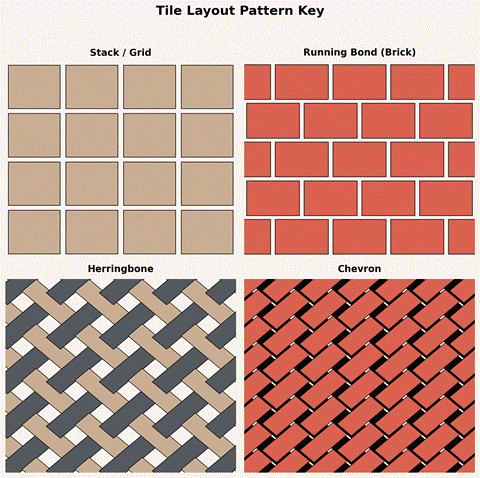
Every tile pattern changes how the eye moves through a room. A grid pattern is quiet and orderly. A diagonal or herringbone layout adds energy and can make a narrow room feel wider. A basketweave pattern reads as classic and detailed, which is why it shows up so often in older San Diego neighborhoods with Spanish and craftsman roots.
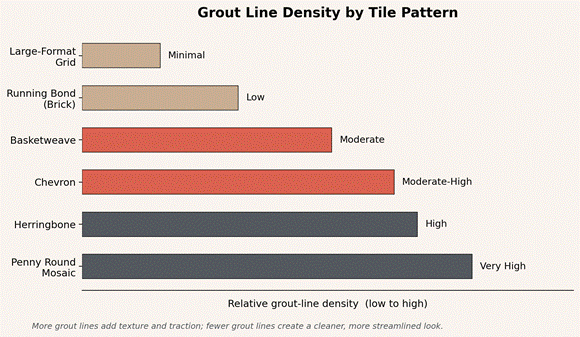
Pattern also affects how much of the tile itself you actually see. A busy layout with lots of grout lines will compete with a bold or richly veined tile. A simple layout lets a statement tile do the talking. Before choosing a pattern, it helps to decide whether the tile or the layout should be the star of the room.
Tile Pattern Comparison Guide
Use this table as a starting point when comparing options for your project.
| Pattern | Best Rooms | Visual Effect | Skill Level | Style Match |
| Large-Format Grid | Kitchen floors, open living areas | Clean, streamlined, spacious | Moderate | Modern, minimalist, coastal contemporary |
| Running Bond (Brick) | Kitchen floors, entryways, backsplashes | Familiar, grounded, versatile | Moderate | Craftsman, farmhouse, transitional |
| Basketweave | Bathroom floors, vanity backsplashes | Classic, detailed, textural | Advanced | Spanish Revival, traditional, vintage-inspired |
| Chevron | Shower walls, accent walls, entries | Bold, directional, high-energy | Advanced | Modern, transitional, statement spaces |
| Herringbone | Entryways, kitchen floors, shower floors | Elegant, dynamic, timeless | Advanced | Spanish, craftsman, coastal, transitional |
| Penny Round Mosaic | Shower floors, powder room accents | Playful, textured, high-traction | Moderate | Coastal, vintage, eclectic |
Matching Patterns to San Diego’s Architectural Styles
San Diego’s neighborhoods span more architectural range than most cities its size, and the tile layout that looks intentional in one home can look out of place in another.
Spanish and Mission Revival Homes
Homes in neighborhoods like South Park, Mission Hills, and Kensington often carry arched doorways, warm plaster walls, and wrought iron details. Basketweave and herringbone patterns in terracotta, warm cream, or hand-glazed tile echo the historic character of these homes without feeling like a costume.
Craftsman Bungalows
Craftsman homes favor honesty of material and clean geometry. Running bond and grid layouts in matte, earth-toned tile fit naturally, especially in kitchens and mudrooms where durability matters as much as looks.
Mid-Century Modern
Mid-century homes in neighborhoods like Del Cerro and parts of Clairemont respond well to large-format grid layouts and clean linear patterns. Bold color can come from the tile itself rather than a busy layout, keeping the geometry of the home intact.
Coastal Contemporary
Closer to the coast, homeowners often want a fresh, airy feel. Large-format tile in a grid or a soft herringbone in light stone tones supports that open, sun-filled look without adding visual clutter.
Modern Farmhouse
Modern farmhouse interiors popular in newer San Diego developments pair well with running bond patterns, especially in a slightly elongated brick shape that echoes shiplap and board and batten details found elsewhere in the home.
How Pattern Placement Changes the Feel of a Room
Beyond style, pattern direction can solve real spatial challenges. Running a pattern diagonally across a small bathroom floor can make the room read larger because the eye follows a longer visual line. A herringbone layout in a narrow entry hallway can add width by pulling the eye side to side instead of straight down the hall.
Vertical stacked patterns on a shower wall can make ceilings feel taller, which is useful in older San Diego homes with more modest ceiling heights. Horizontal layouts, by contrast, tend to widen a space and work well in longer, narrower bathrooms.
Room-by-Room Pattern Guidance
Kitchen Backsplashes
Backsplashes are one of the lowest-risk places to experiment. Vertical stack, herringbone, and handmade-look running bond patterns all perform well here since the area is small and easy to clean.
Shower Walls and Floors
Shower floors benefit from smaller-format tile such as penny rounds or small mosaics, since more grout lines improve traction. Shower walls can carry a larger, bolder pattern like chevron or herringbone since slip resistance is less of a concern on a vertical surface.
Entryways and Mudrooms
Entry tile takes the most daily wear in a San Diego home, given how often doors open to patios, beaches, and backyards. Herringbone and running bond patterns in a durable porcelain hide dirt and wear better than a busy mosaic in this location.
Laundry Rooms
Laundry rooms are practical spaces, and a simple grid or running bond keeps the floor easy to clean while still feeling finished.
Mixing Patterns Without Overwhelming a Space
It is possible to mix two patterns in one home, and even in one room, but it works best with a clear hierarchy. A common approach is a quiet grid or running bond on the floor paired with a bolder herringbone or chevron accent on a single wall, niche, or backsplash. Keeping the color palette consistent between the two patterns helps them read as intentional rather than accidental.
A design consultation with Ghiloni Granite and Tile is often the easiest way to test pattern combinations against your actual floor plan and lighting before committing to a full installation.
Frequently Asked Questions
What is the most timeless tile pattern for a San Diego home?
Running bond and herringbone patterns tend to age the best because they are rooted in classic architecture rather than a specific decade of design trends.
Can I mix two tile patterns in the same room?
Yes, as long as one pattern serves as the dominant layout and the second is used sparingly as an accent, such as on a niche, border, or single wall.
Which pattern makes a small bathroom look bigger?
A diagonal grid or a herringbone layout tends to visually stretch a small bathroom because the eye follows the diagonal or angled lines across the room.
Do certain patterns work better with radiant floor heating?
Grid and running bond layouts are generally the most straightforward to pair with radiant heating systems because the tile spacing is more predictable during installation.
Is basketweave hard to maintain?
Basketweave has more grout lines than a simple grid, so it benefits from a quality grout sealer, but it is not meaningfully harder to clean than other detailed patterns.
Work With a San Diego Tile Design Team
Choosing the right pattern is easier with an experienced eye in the room. Ghiloni Granite and Tile works with homeowners across San Diego County on tile and stone design, from layout planning through final installation. For a deeper look at the installation process itself, our complete tile installation guide walks through preparation, waterproofing, and what to expect on-site.
Call (619) 261-3595 today or fill out our online contact form to schedule a design consultation and find the tile pattern that fits your home’s character.